
Loading...

Feathered
Friends

An NFT Project in
Support of Zealandia

Raising awareness and funds for the conservation of native New Zealand birds using NFTs and blockchain technology.
Our native birds
are in danger

We’re using the blockchain to save them

With the introduction of foreign pests to New Zealand, many native birds have been put in danger and seen their populations significantly decrease. Some of our Feathered Friends are in serious trouble and need your help urgently. To raise awareness and funds for these endangered birds, we created NFTs of a few unique species in Aotearoa.

Open sea logo
explore

Not for profit

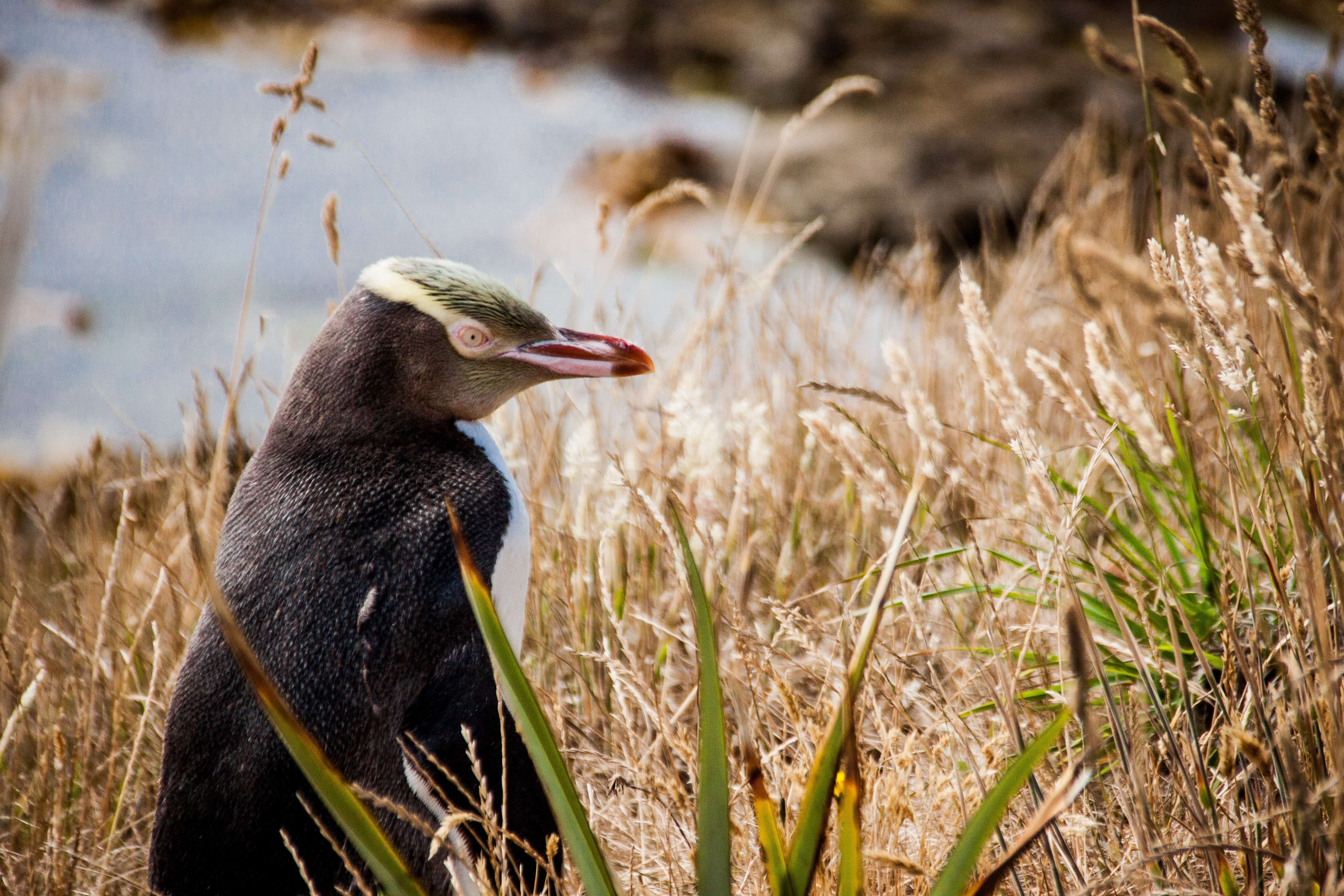
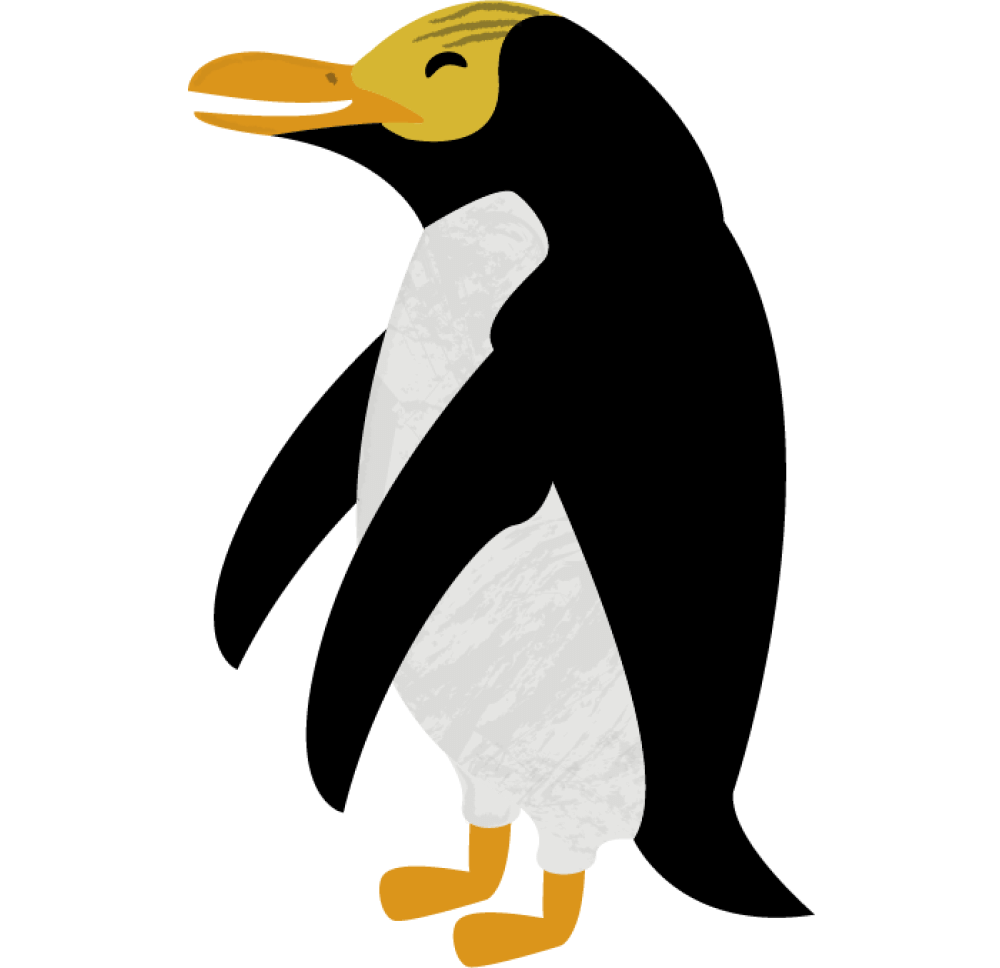
Hoiho
40
Minted
Yellow eyed penguin (Hoiho) in the grass along the coast

These noise makers are excellent divers and one of the rarest penguin species in the world.

0.03
Yellow eyed penguin (Hoiho) in the grass along the coast
Hoiho
Population: 
4000
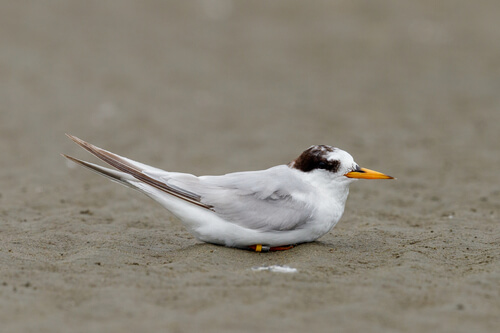
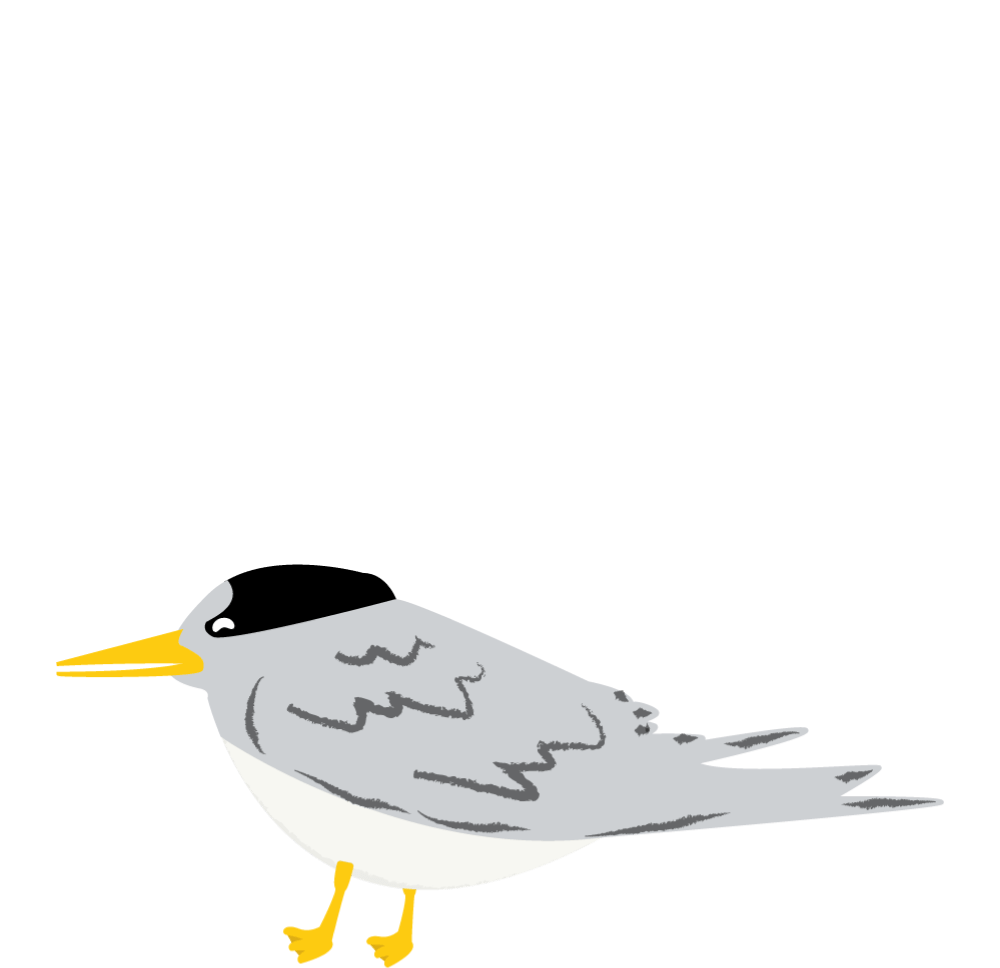
Fairy Tern
4
Minted
New Zealand Fairy Tern sitting on the beach

Known to make their nests in the sand, these beach lovers are the most endangered bird in NZ.

0.11
New Zealand Fairy Tern sitting on the beach
Fairy Tern
Population: 
40
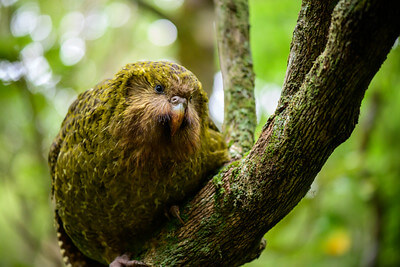
Kakapo
15
Minted
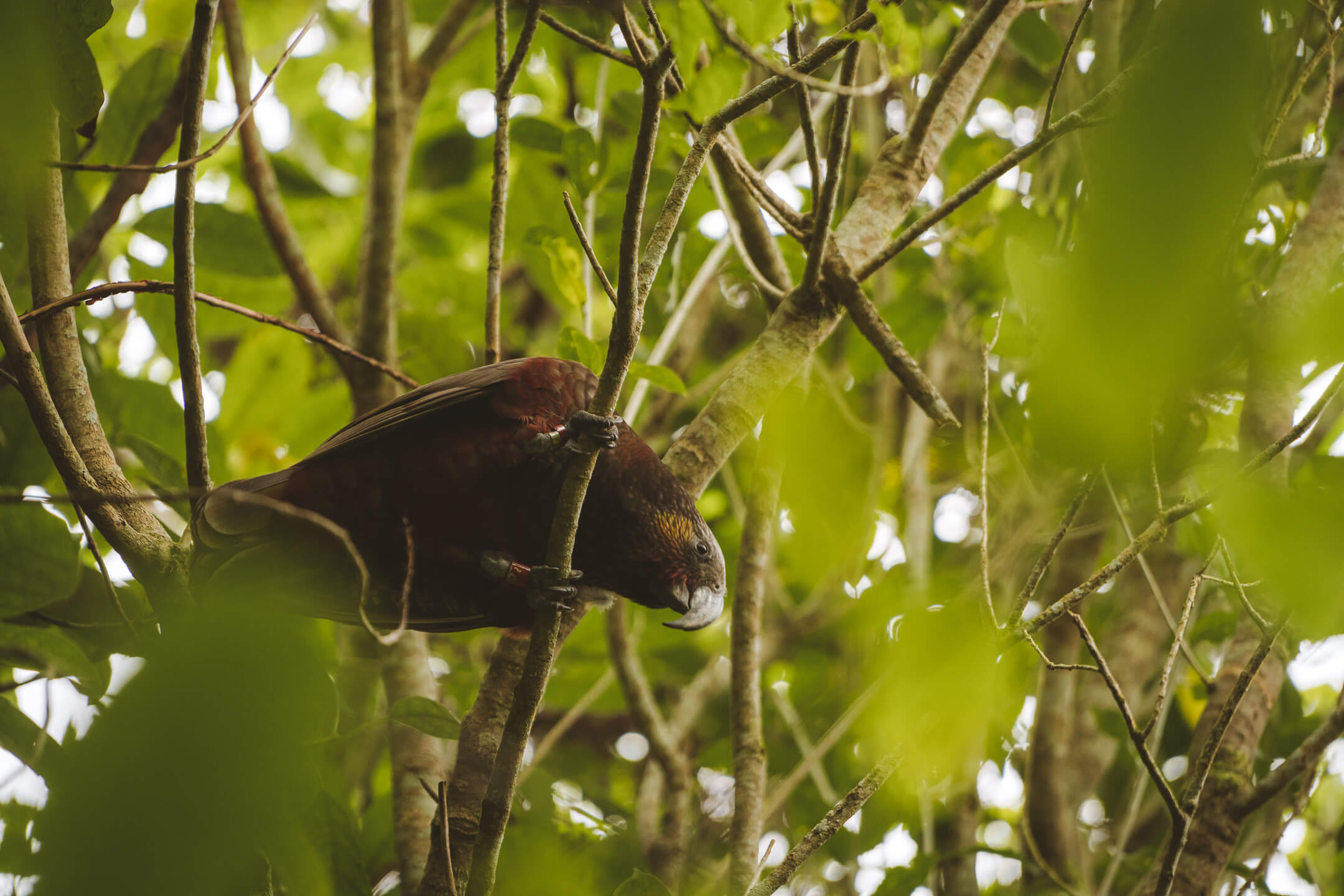
Kakapo sitting on a tree branch

The heaviest parrots in the world are highly skilled climbers and long distance walkers.

0.07
Kakapo sitting on a tree branch
Kakapo
Population: 
202
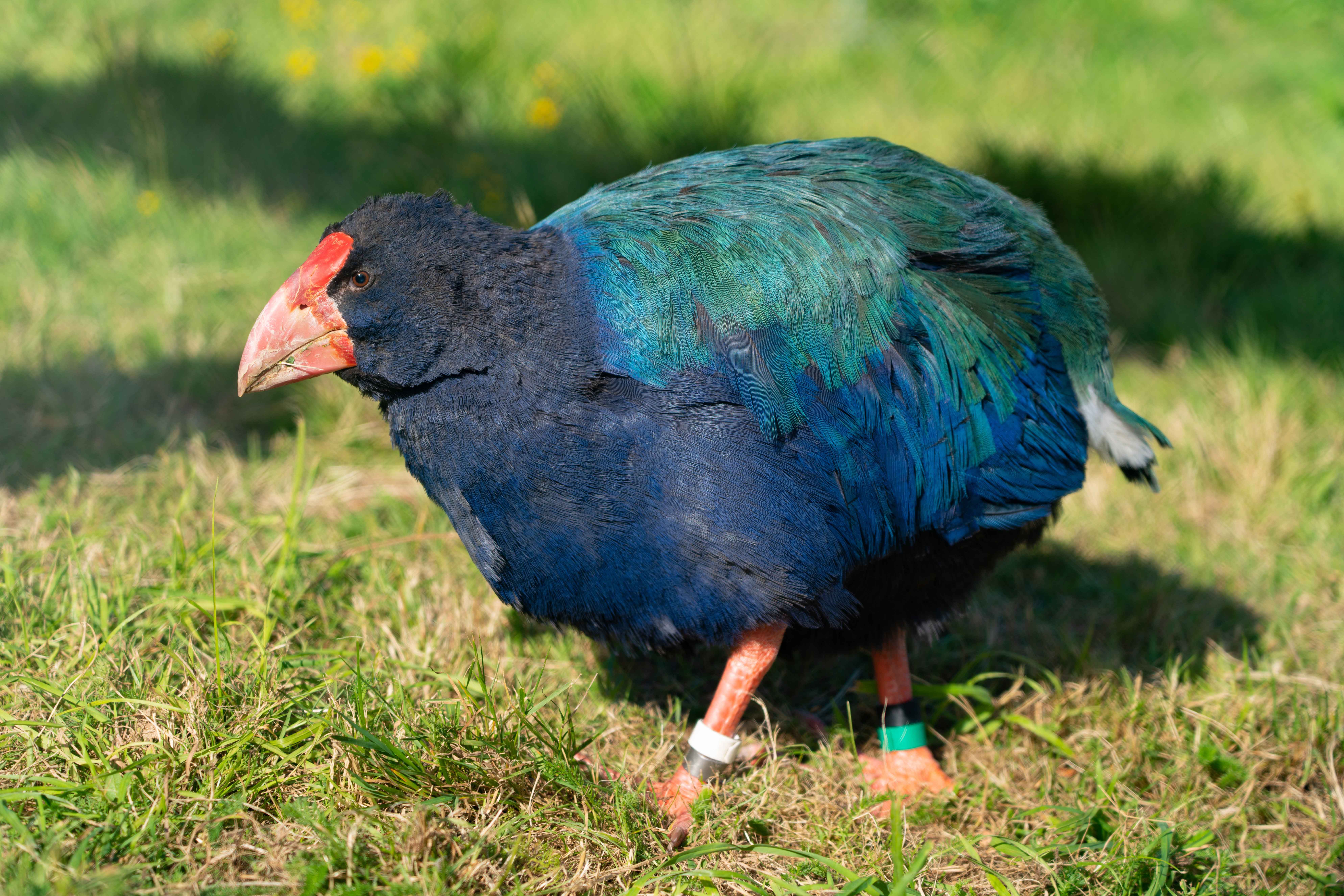
Takahe
15
Minted
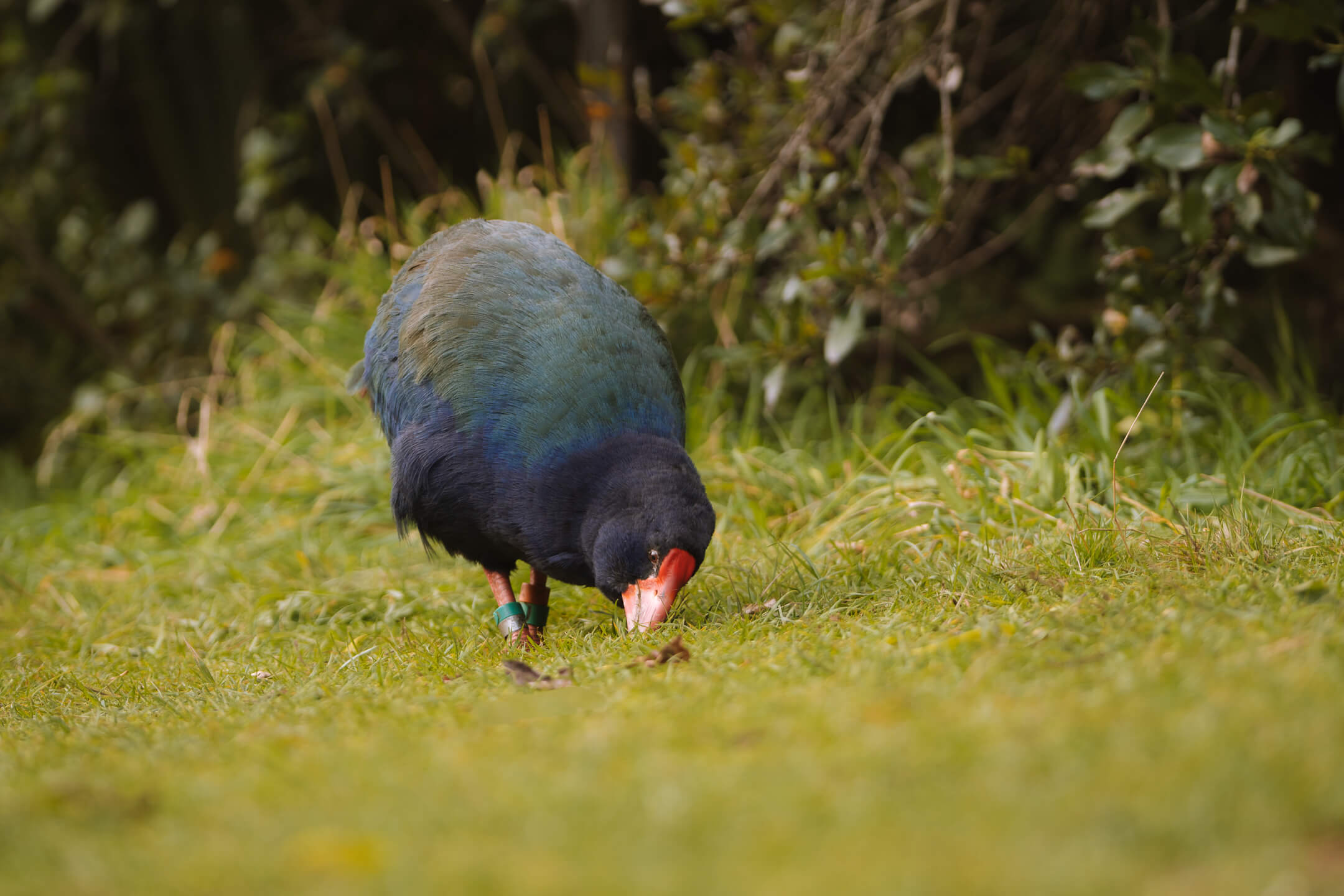
takahe bird standing in grass

Takahe were famously rediscovered after being presumed extinct for 50 years.

0.04
takahe bird standing in grass
Takahe
Population: 
440
Kea
30
Minted
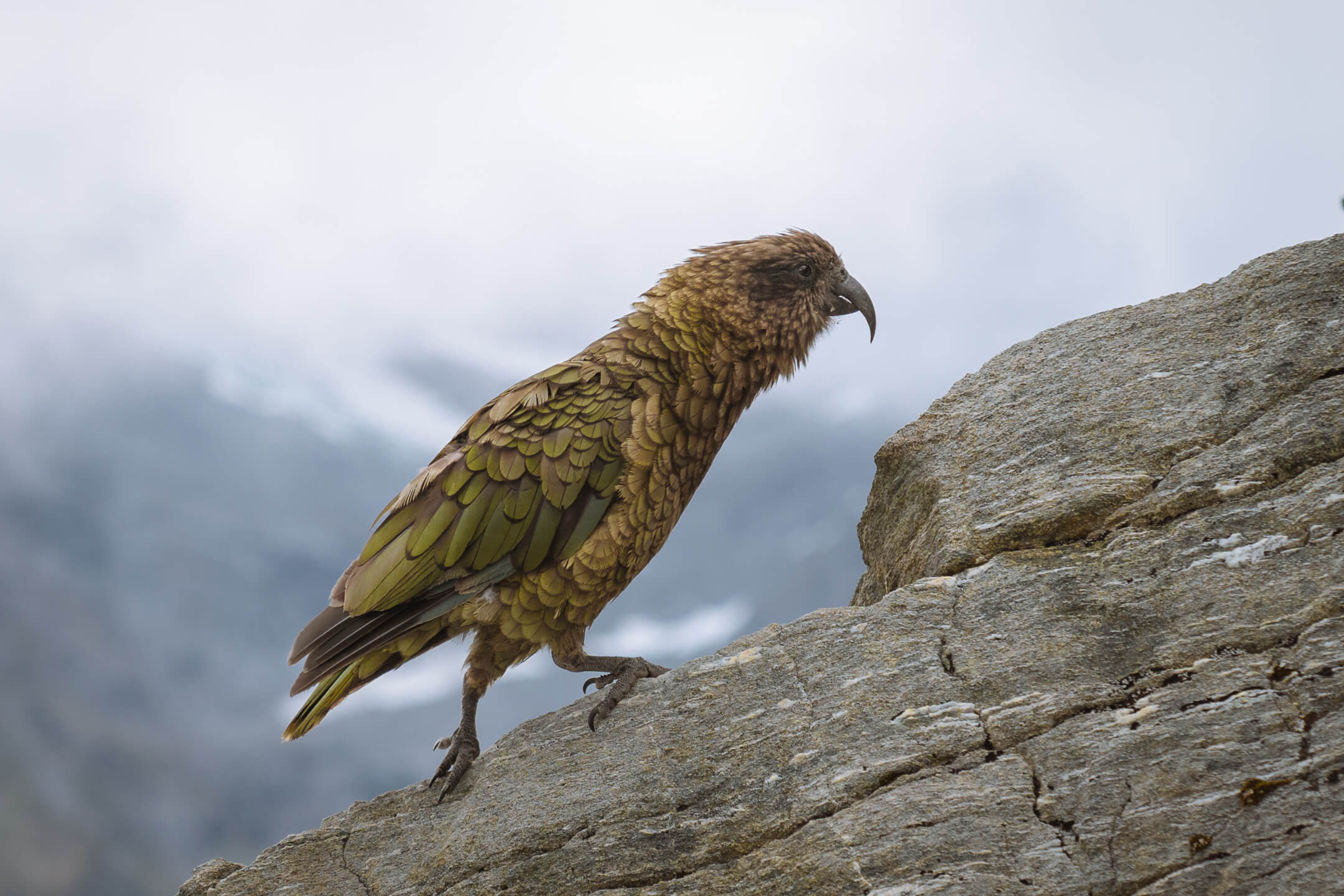
Kea bird walking along rocks in the mountains

One of the most intelligent birds in the world loves to play with human stuff.

0.03
Kea bird walking along rocks in the mountains
Kea
Population: 
3000
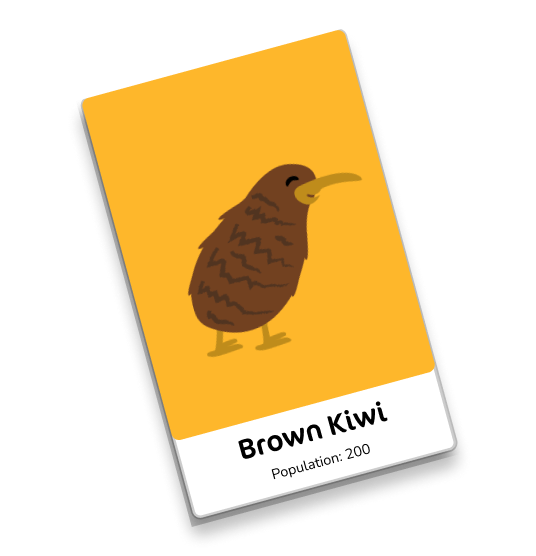
Brown Kiwi
20
Minted
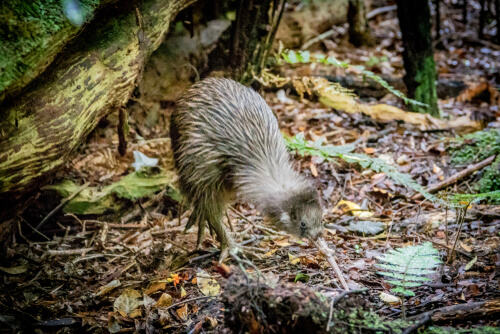
Southern Brown Kiwi foraging in the dirt

The largest and rarest kiwi species are also the only ones who come out to explore during the day.

0.05
Southern Brown Kiwi foraging in the dirt
Brown Kiwi
Population: 
400
Hoiho
40
Minted
Yellow eyed penguin (Hoiho) in the grass along the coast

These noise makers are excellent divers and one of the rarest penguin species in the world.
0.03
FLIP
Yellow eyed penguin (Hoiho) in the grass along the coast
Hoiho
Population: 
4000
Fairy Tern
4
Minted
New Zealand Fairy Tern sitting on the beach

Known to make their nests in the sand, these beach lovers are the most endangered bird in NZ.
0.11
FLIP
New Zealand Fairy Tern sitting on the beach
Fairy Tern
Population: 
40
Kakapo
15
Minted
Kakapo sitting on a tree branch

The heaviest parrots in the world are highly skilled climbers and long distance walkers.
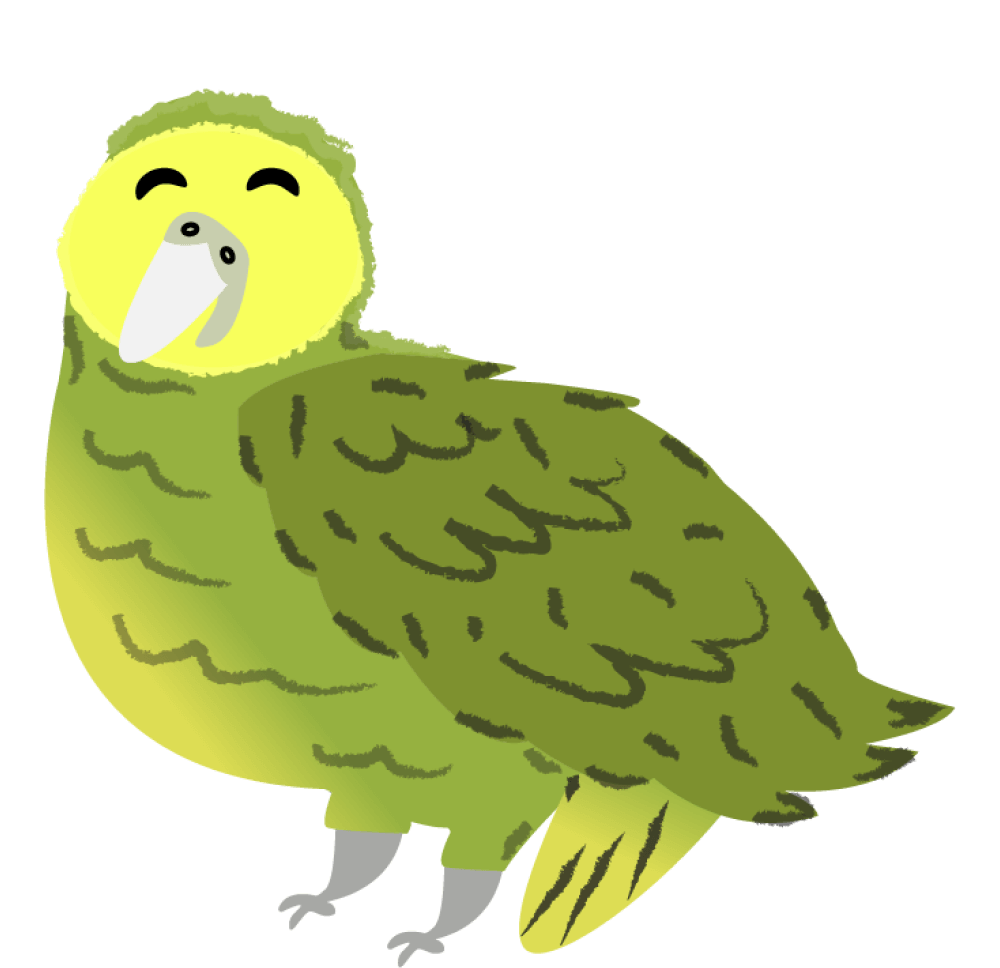
0.07
FLIP
Kakapo sitting on a tree branch
Kakapo
Population: 
202
Takahe
15
Minted
takahe bird standing in grass

Takahe were famously rediscovered after being presumed extinct for 50 years.
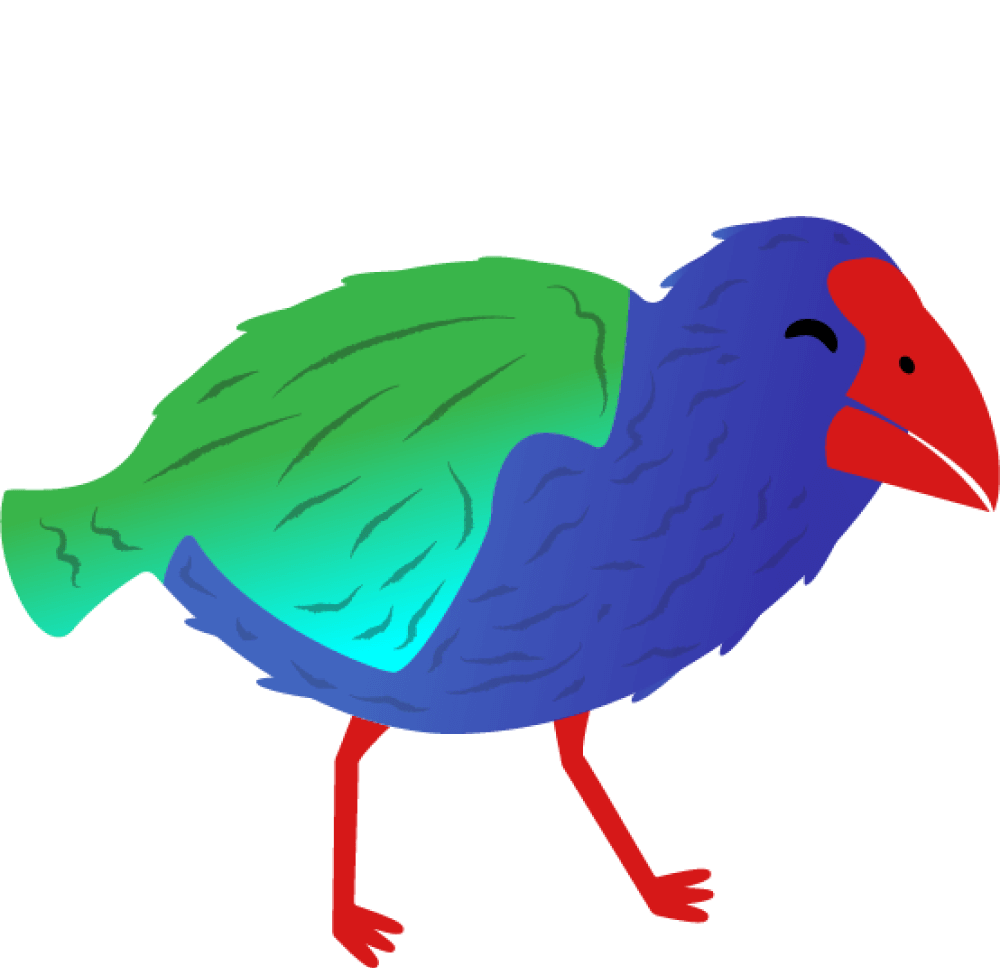
0.04
FLIP
takahe bird standing in grass
Takahe
Population: 
440
Kea
30
Minted
Kea bird walking along rocks in the mountains

One of the most intelligent birds in the world loves to play with human stuff.
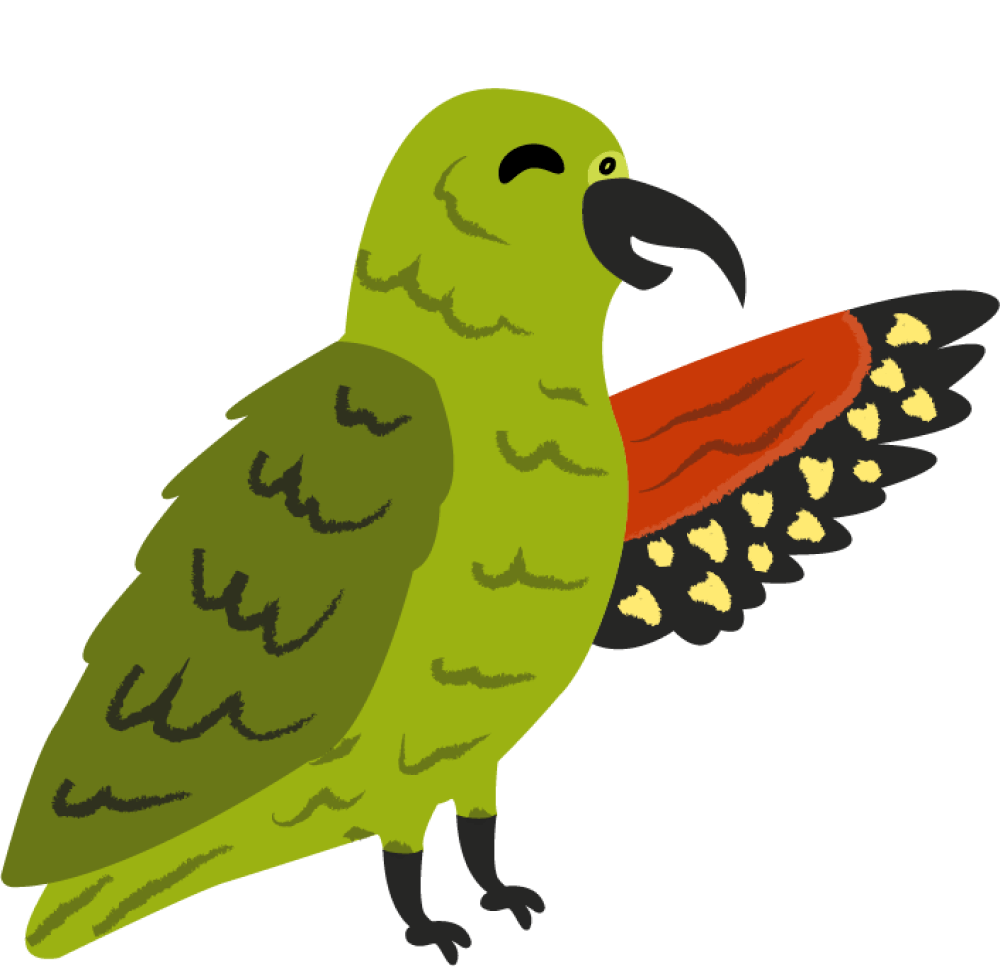
0.03
FLIP
Kea bird walking along rocks in the mountains
Kea
Population: 
3000
Brown Kiwi
20
Minted
Southern Brown Kiwi foraging in the dirt

The largest and rarest kiwi species are also the only ones who come out to explore during the day.
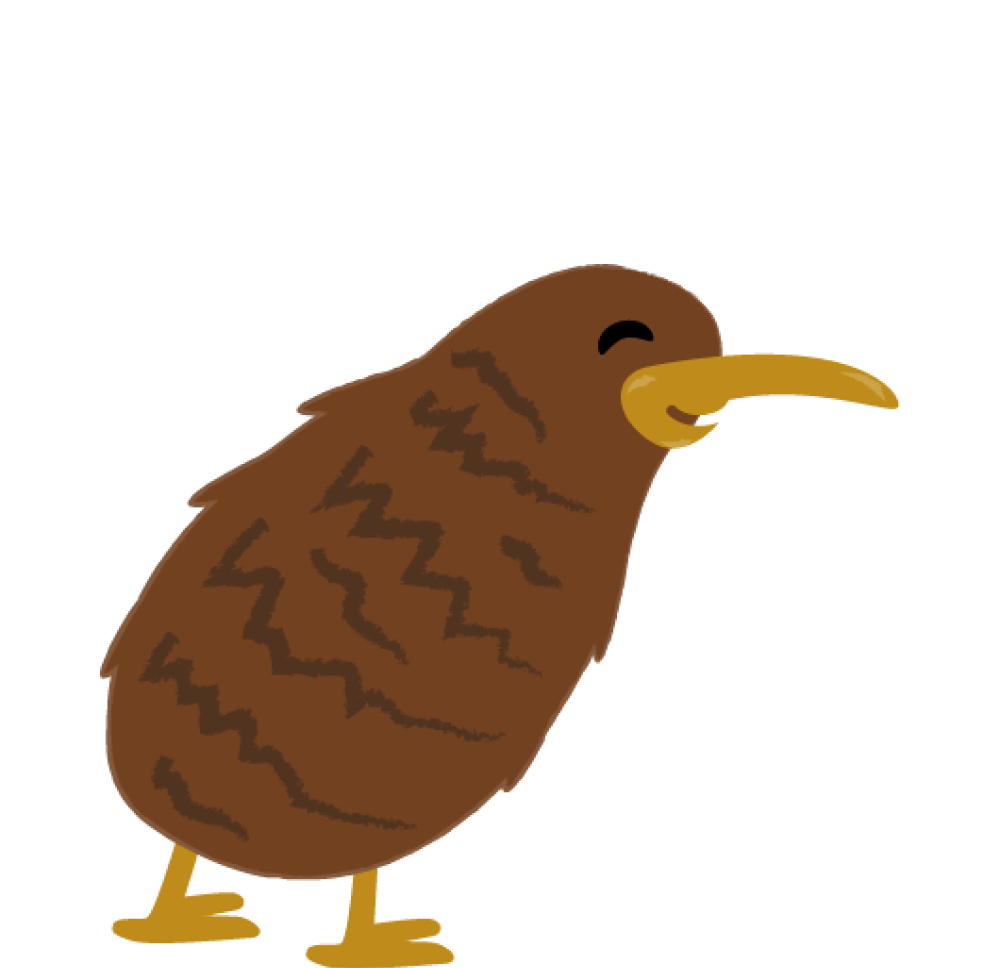
0.05
FLIP
Southern Brown Kiwi foraging in the dirt
Brown Kiwi
Population: 
400
Left arrow
Right arrow

Getting Rid Of Pests

Creating a Halo of Safety

The world’s first fully-fenced ecosanctuary, Zealandia has been pest free since the year 2000. As native wildlife spreads beyond the fence, it is important to keep pests away and give the birds a chance to thrive. Donations to Zealandia allow them to provide free traps to schools and teach the next generation about responsible trapping.

Kea photo

Restoring
Native Habitats

A 500 year journey

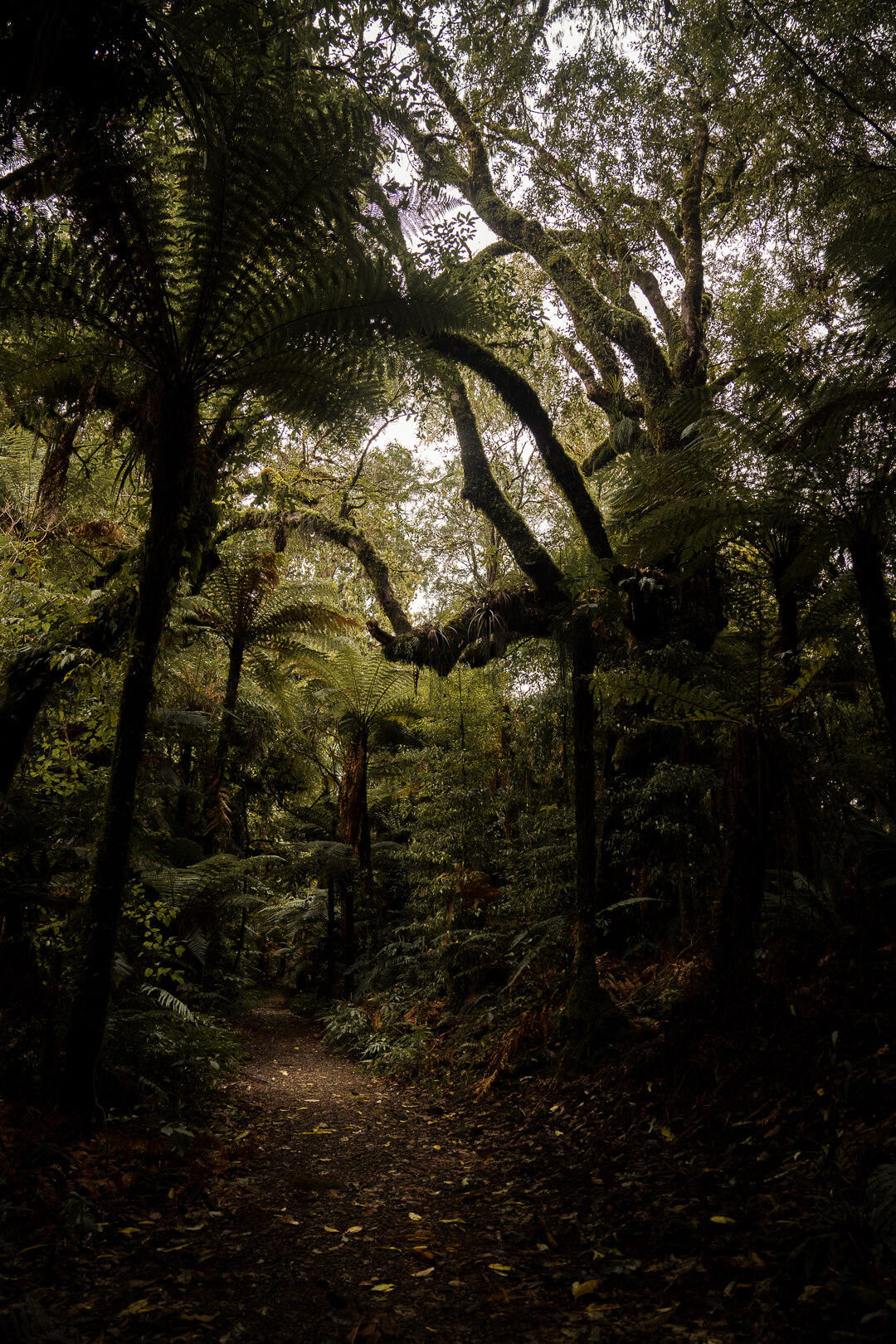
Our native birds love their native trees. The trees provide a place for them to live, and the birds spread the seeds for more trees to grow. To recreate the natural environment before humans arrived in Aotearoa, Zealandia is removing exotic trees and replacing them with native vegetation. Over the next 500 years, the sanctuary will return to a self sustaining ecosystem.

New Zealand Forrest
Takahe photo

These birds are making an Impact.

$
Donated to Zealandia
People
with NFTs
40
Species
Helped

Team

Tanner Latham

Tanner Latham

Project Lead
Andrew Hillstead

Andrew Hillstead

Creative Director
Elliott Lee

Elliott Lee

Advisor
Brandon Miller

Brandon Miller

Design Mentor
Kunyang Ji

Kunyang Ji

Webflow Wizard
Sean Tilles

Sean Tilles

Design Help
Michael Braae

Michael Braae

Code Master

How to NFT

Install Wallet

Install METAMASK as a wallet and connect to the Polygon Mainnet before sending funds.

Add Crypto

Purchase ETH (Polygon) on QuickSwap via Moonpay and send it to your wallet.

Buy NFT

Purchase an NFT on Opensea and help save native New Zealand birds.

FAQs

Bird foot icon

What about the environmental impact of crypto?

Our NFTs are hosted on Polygon, an environmentally friendly blockchain that uses a Proof-of-Stake method which is extremely efficient in terms of energy consumption.

Feather icon

What is a wallet?

A crypto wallet is a place where you can store your cryptocurrency and NFTs. We recommend using MetaMask, but any crypto wallet that can connect to Opensea will work.

Koru icon

Do I have to use cryptocurrency to purchase?

Yes, but if you are uncomfortable purchasing ETH, you can also purchase the NFTs using USDC or DAI. These are stablecoins, meaning they do not fluctuate and are pegged to the USD.

Fern icon

Are there any fees for purchasing an NFT?

Because the NFTs were created on Polygon, there are no gas fees that need to be paid when purchasing. You may need to pay a fee if you are bridging your Ethereum to the Polygon network.

Bird feet icon

Where does my NFT go after I purchase it?

Your NFT will be stored in whatever wallet that you connected to Opensea. You can view your NFT on your Opensea profile.

Feather icon

What is Zealandia?

Zealandia is an ecosanctuary based in Wellington, New Zealand. They have a 500 year vision of restoring the natural ecosystem to how it existed before humans and pests arrived. They work with many native bird species and have already reintroduced 18 species of native wildlife.

Koru Icon

How much of the money is being donated?

Along with 100% of the initial sale being donated to Zealandia, 10% of any resales are automatically donated as well.